
For a long time, Kalinga was overlooked compared to its more famous neighbors in the Cordillera region, such as the rice terraces of Banaue, the hippie vibe of Sagada, and the urban attractions of Baguio. However, recent years have seen a surge in tourism in Kalinga, driven primarily by its rich tribal traditions and unique cultural offerings.
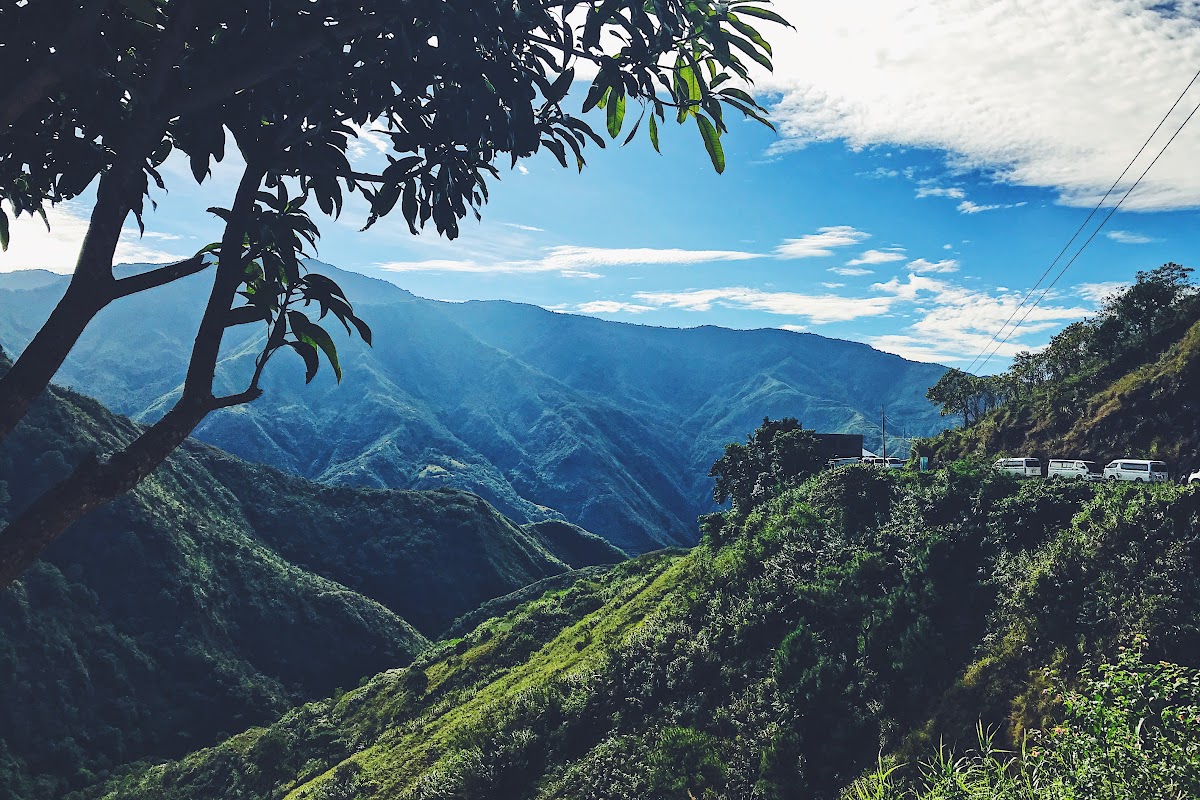
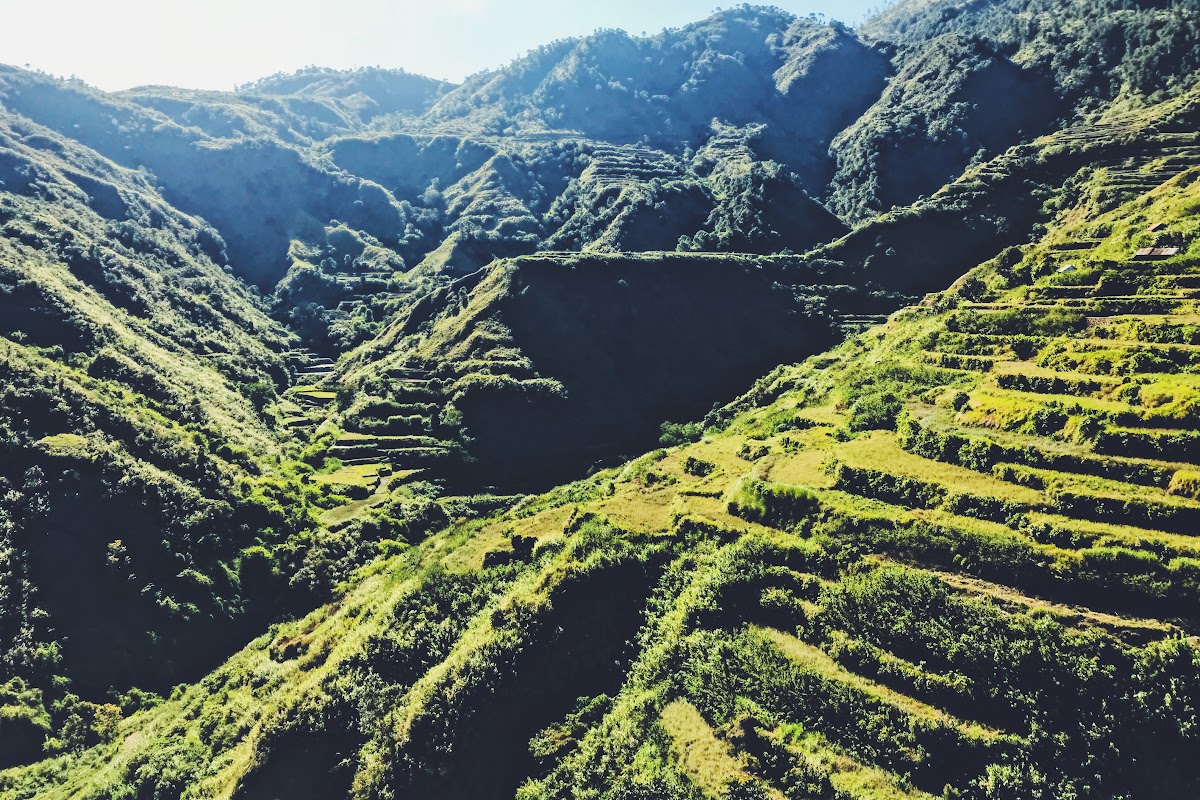
Nestled in the mountains, Kalinga is a landlocked province surrounded by rugged landscapes. The province’s isolation has allowed its people to retain many of their ancient traditions, including a strong sense of tribalism and clan loyalty. This preservation of culture is one of Kalinga’s biggest draws for travelers seeking an authentic experience.
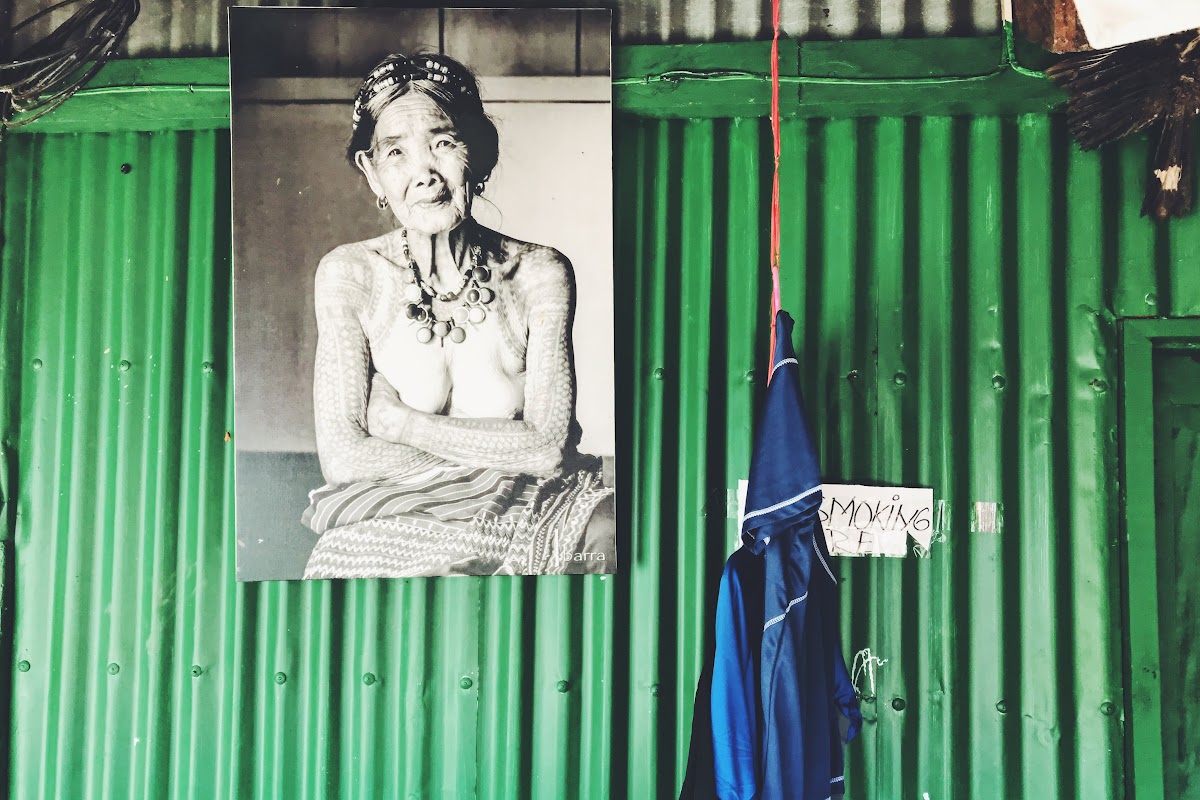
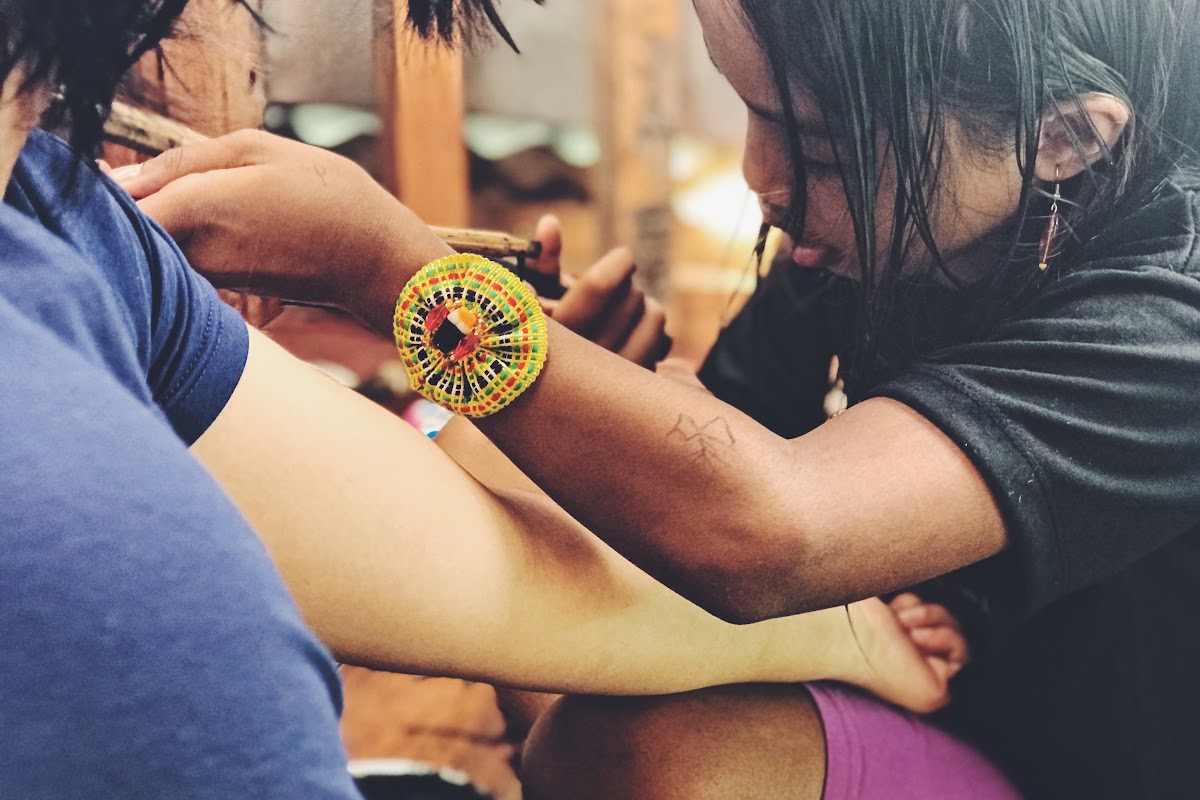
One of Kalinga’s most unique cultural features is its tradition of tribal tattoos, a practice that dates back centuries. These tattoos were originally worn by warriors and headhunters, and each marking signified a kill. The more tattoos a man had, the more revered he was in society. However, with the decline of headhunting, these tattoos have become a celebrated art form for tourists.
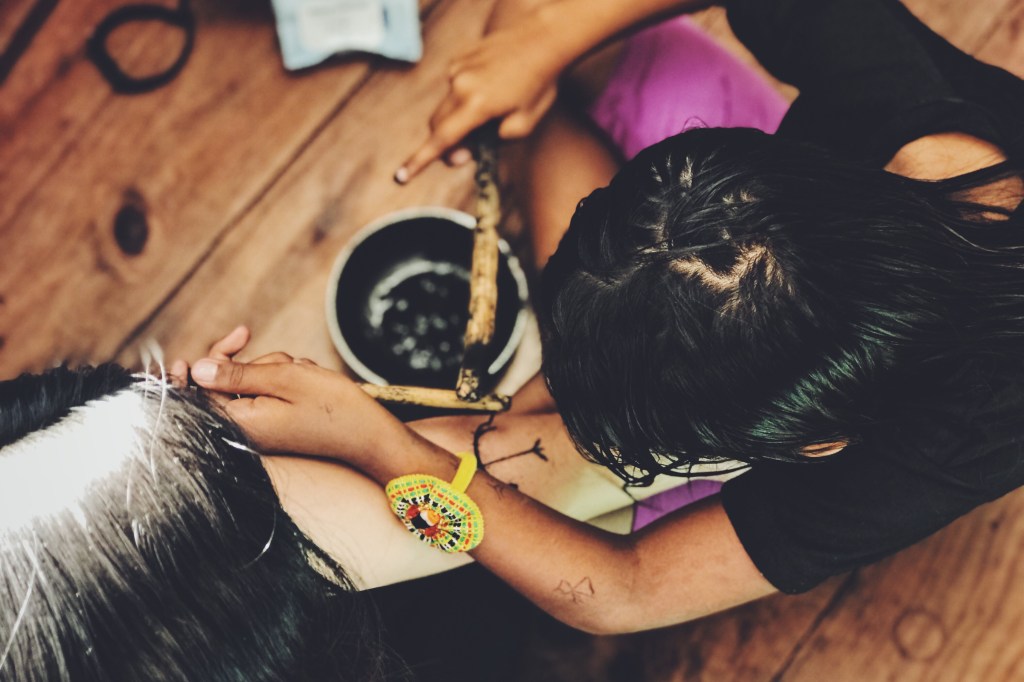
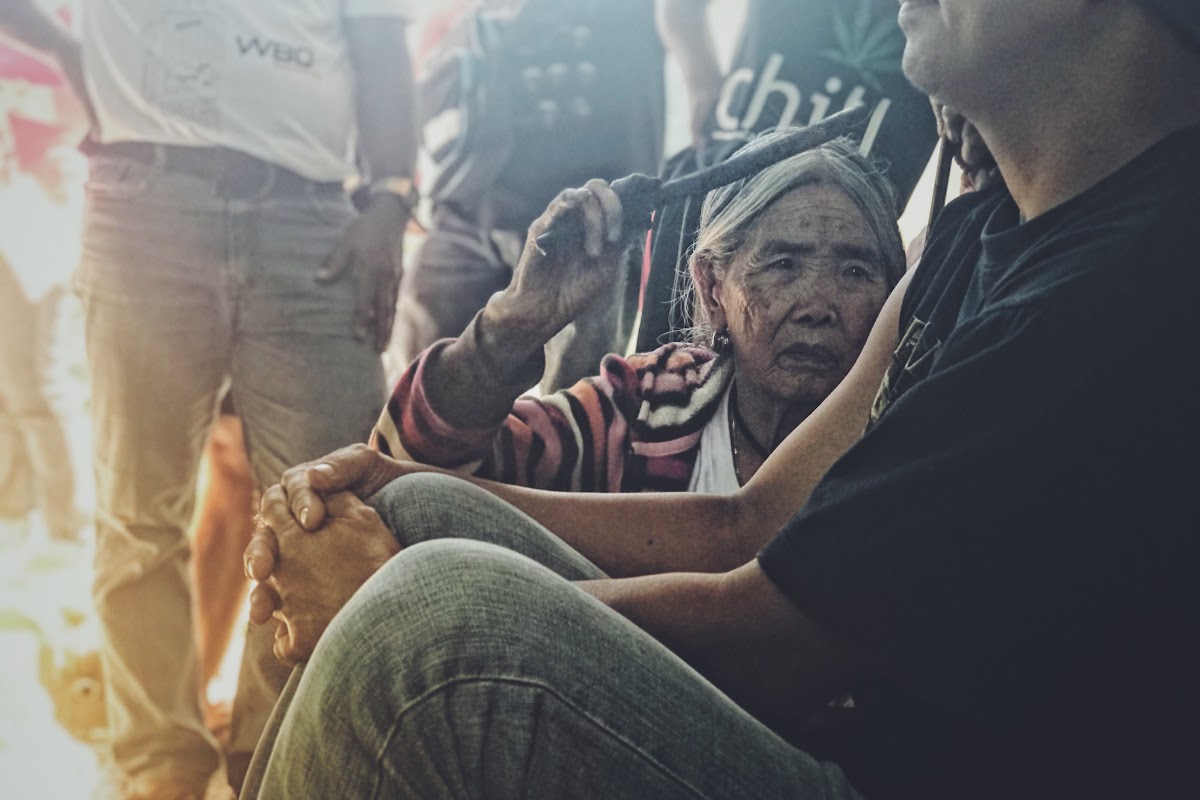
Among the most well-known practitioners of traditional Kalinga tattoos is Apo Whang-od, the oldest living mambabatok (traditional tattoo artist). At 100 years old, she has been tattooing since the age of 15, and her artistry continues to attract tourists from around the world. The lines to get tattooed by Apo are long, but it’s well worth the wait for those eager to get a piece of Kalinga’s history.
Apo Whang-od’s legacy is being carried on by younger generations of tattoo artists, including her grandniece, Grace Palicas, and Ilyang Wigan, who are learning the traditional art of pagbabatok (hand-tapped tattoos) to ensure it endures for years to come.

Exploring the Village of Buscalan
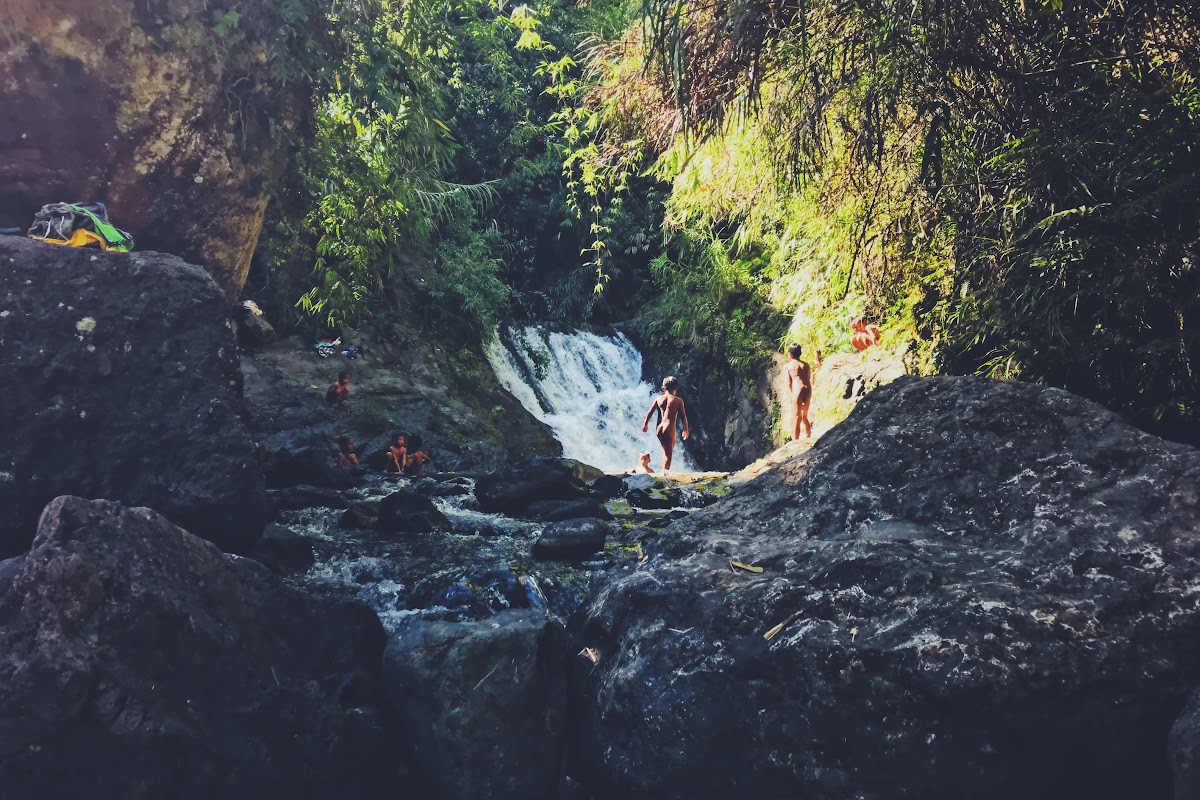
The village of Buscalan, located in the municipality of Tinglayan, has become a popular destination for travelers seeking to experience traditional tattoos firsthand. This remote village offers more than just tattoos; it also boasts stunning landscapes, including waterfalls and picturesque hills. The locals, who are known for their warmth and hospitality, offer a glimpse into the province’s ancient customs and lifestyle.
How to Get to Kalinga
To reach Kalinga, visitors typically travel to the nearest major city, Tabuk, the provincial capital. From there, visitors can take a bus or jeepney to Buscalan or Tinglayan, where the tattoo artists work. It’s a long and often bumpy ride, but the journey is part of the adventure.
Preserving Kalinga’s Culture for Future Generations
Kalinga’s culture, especially its traditional tattoos, is being preserved not just by Apo Whang-od but also by the new generation of mambabatoks. These dedicated artists are helping keep this ancient craft alive for both locals and visitors alike. Whether you’re getting a tattoo or simply exploring the mountains, Kalinga offers an unforgettable experience steeped in history and culture.
 The Tourist Gaze
Leave a comment