
I’m supposed to go to a pre-Valentine date, but a last-minute call for a work meeting have her taking a rain check. I refuse to wallow on the situation, though, and instead make the proverbial lemonade out of lemons. Having nothing else to do for the day, I set out to Angono, Rizal, which is famously dubbed the Art Capital of the Philippines.
The reason I chose Angono is twofold. First, I’m currently exploring Rizal (along with Cavite on alternating weeks), having finished visiting all cities and towns in Bulacan last year. Second, Angono is celebrated as the Art Capital of the Philippines, and what better way to observe the National Month of the Arts than to visit a town with such a rich artistic heritage?
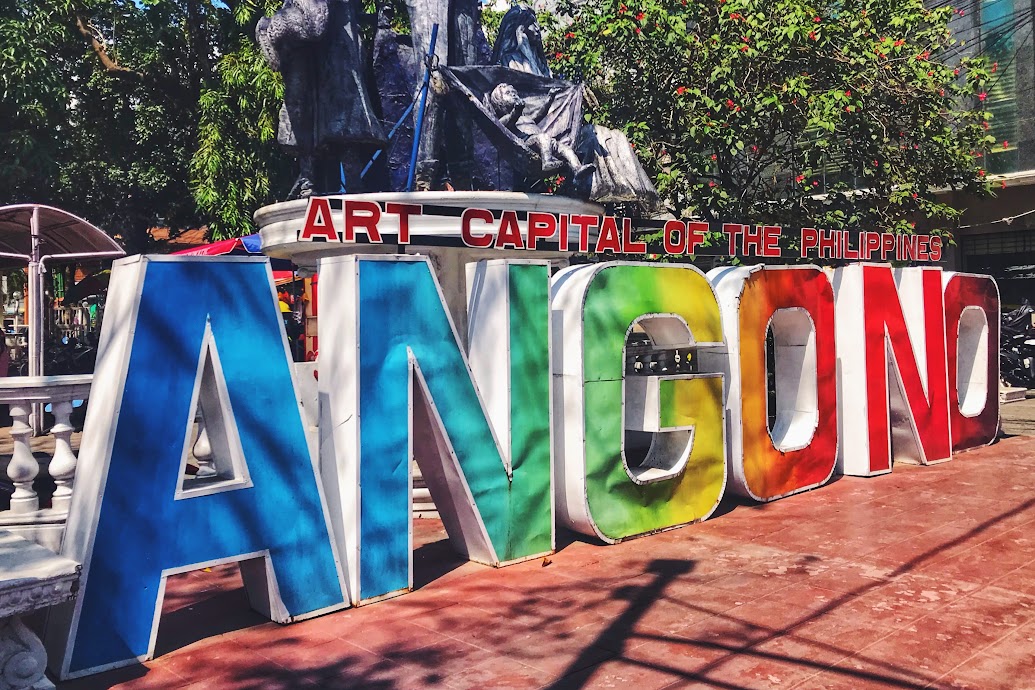
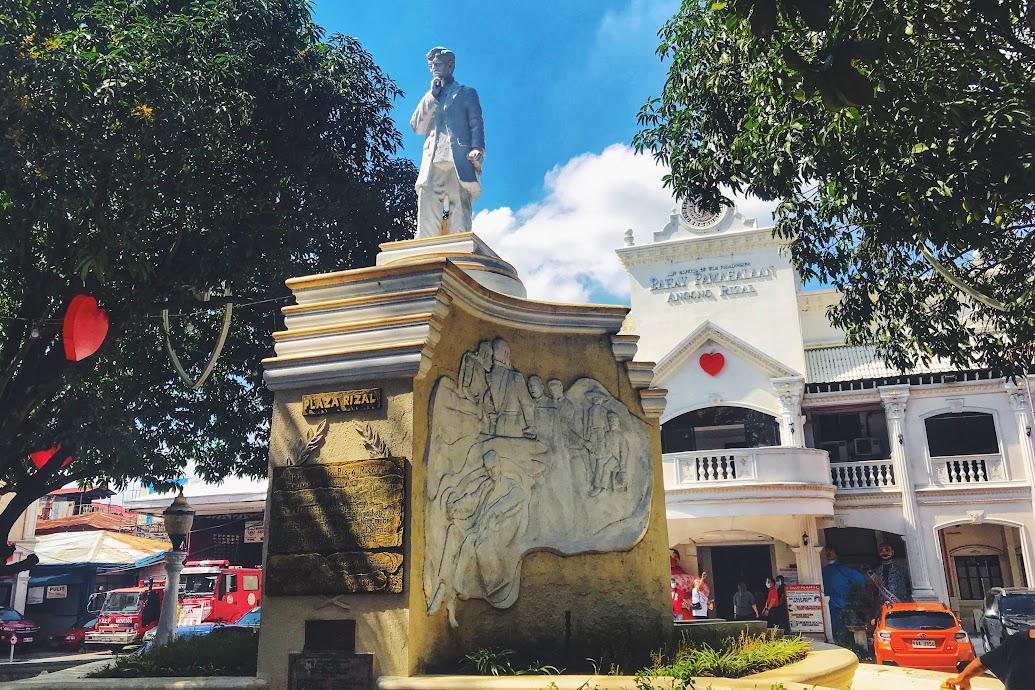
The cultural vibe of Angono, Rizal, is immediately apparent as you enter from Taytay. While neighboring Taytay and Cainta are more urbanized and closely tied to Metro Manila, Angono has a mellower atmosphere. As you leave the main highway and enter Doña Aurora Street, you’ll find yourself in a labyrinth of alleys lined with galleries and stores selling art and crafts, leading you to the municipal hall. Here, a giant, colorful “Angono” sign greets visitors, alongside a statue of national hero Jose Rizal, after whom the province was named.


A few minutes’ walk west of the municipal hall, I find the Blanco Family Art Museum. The Blancos are hometown celebrities, and their works are displayed inside. Upon entering, I am greeted by a couple of higantes figures. The higantes is a festival held in town every November to commemorate Pope St. Clement I. The event is known for the large papier-mâché figures (hence, higantes, a corrupted Spanish for giantes) paraded around town. Outside the festival, these figures are used as decorations in a few establishments.
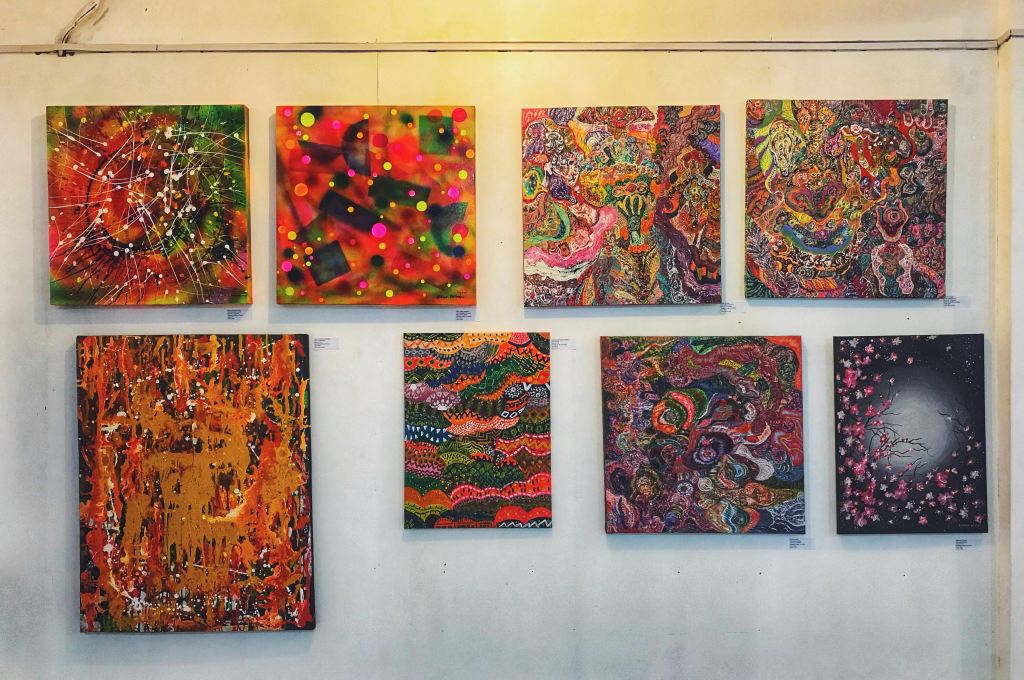
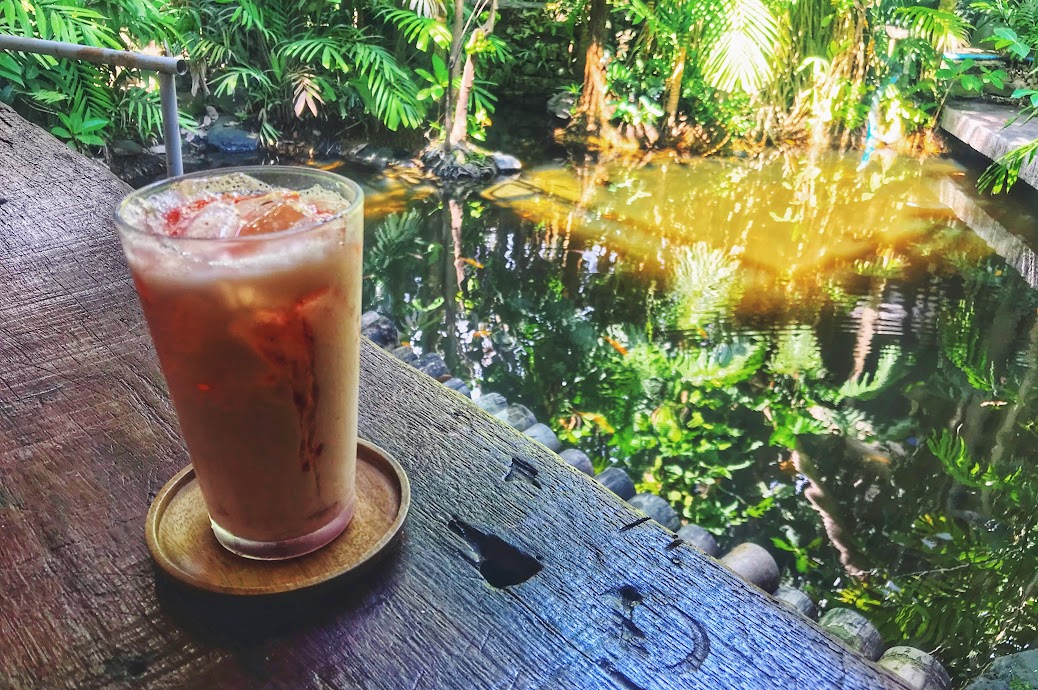
I take some time to explore the museum and appreciate the works of the Blanco children and other guest artists. Some of these pieces are available for purchase, with prices ranging from PHP 2,500 to PHP 5,000. The museum complex also houses a cozy cafe, surrounded by nature, where I take a break and enjoy a glass of strawberry milk, surrounded by a tree-lined pathway and a koi pond.
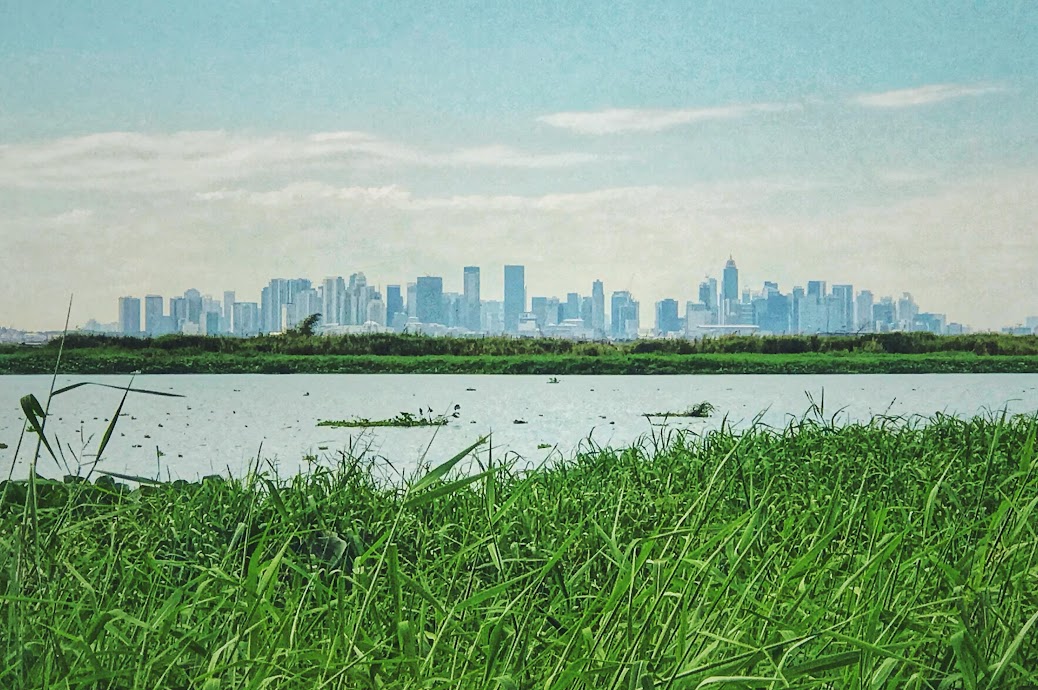
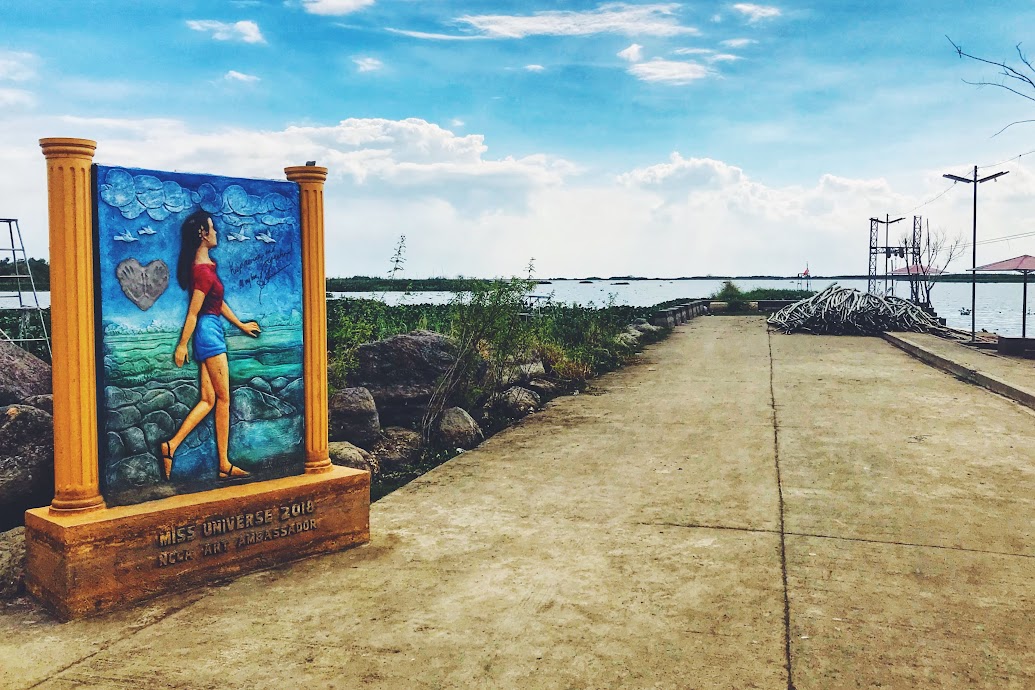
Weary legs rested, I resume my walking tour and head further west to the lakeside park. It’s easy to forget that Angono is a lakeside town, sitting on the edge of Laguna de Bay. The tranquil waters of the lake soothes all heaviness away, especially with the sight of Metro Manila’s skyscrapers in the distance. It seems to remind me that, “Hey, you’re away from the city. Leave all problems at home. Just enjoy the moment.” So I do, along with boys fishing in the lake and a young couple doing a photoshoot nearby.
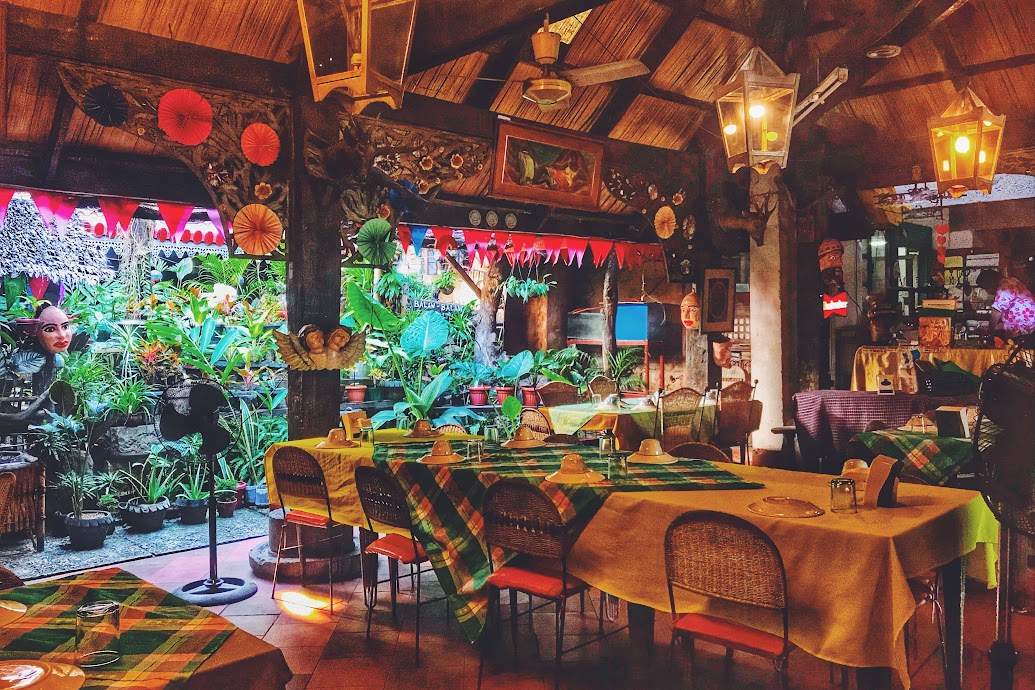
I do have to peel myself away, though, so I return to the main road. I cross to the other side and have an afternoon snack at the charming Balaw Balaw Restaurant. It’s filled with all colors imaginable, though, as I’m the only customer this afternoon, also feels lonely (a feeling I definitely can use without, hah). The place mainly serves traditional Filipino favorites and doubles as an art gallery. I have an order of maruja (deep-fried battered bananas) and a glass of iced tea.
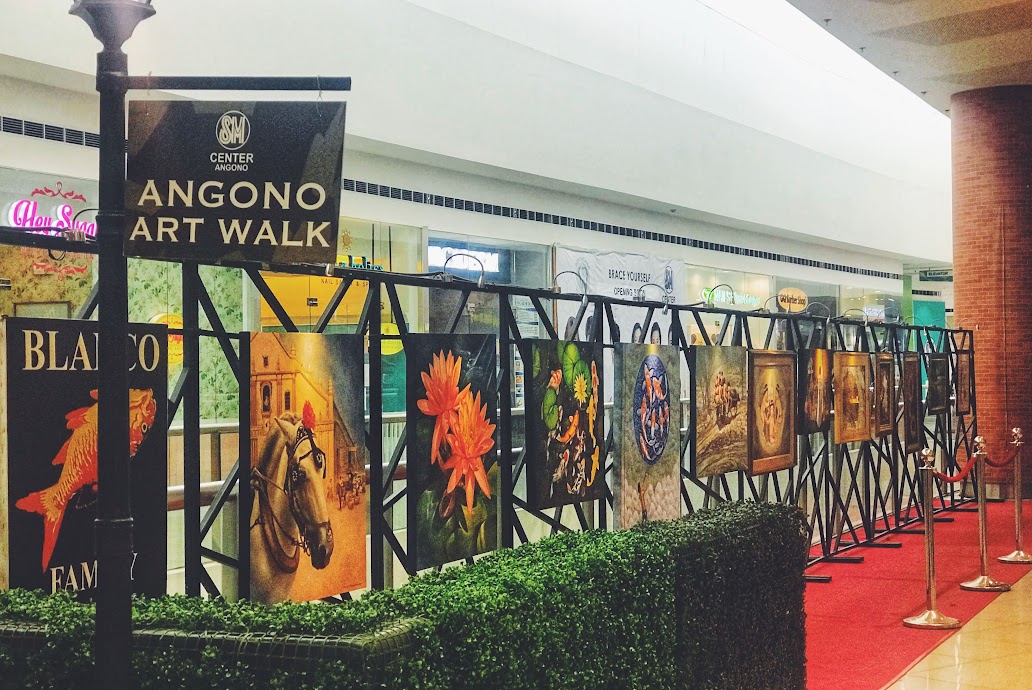
For those who prefer art in an air-conditioned setting, SM Center Angono just a few meters north, also showcases works by the Blanco family. It provides a modern yet convenient glimpse into the artistic side of Angono, though it lacks the quaint charm of the town’s more traditional spaces. I relax here for a bit before starting the journey back to Ortigas and eventually heading home.
 The Tourist Gaze
Leave a comment